Launching Ads with AI: Your New Competitive Edge
Imagine sitting in a bustling office, surrounded by colleagues deep in discussions about their latest ad campaigns. They’re all grappling with the same challenge: traditional ad launching can feel like a marathon. It's slow, cumbersome, and often fraught with human error. With campaigns that can take days or even weeks to set up, the pressure to keep pace with competitors can be overwhelming. In today's fast-paced digital landscape, the need for adaptive strategies has never been more critical.
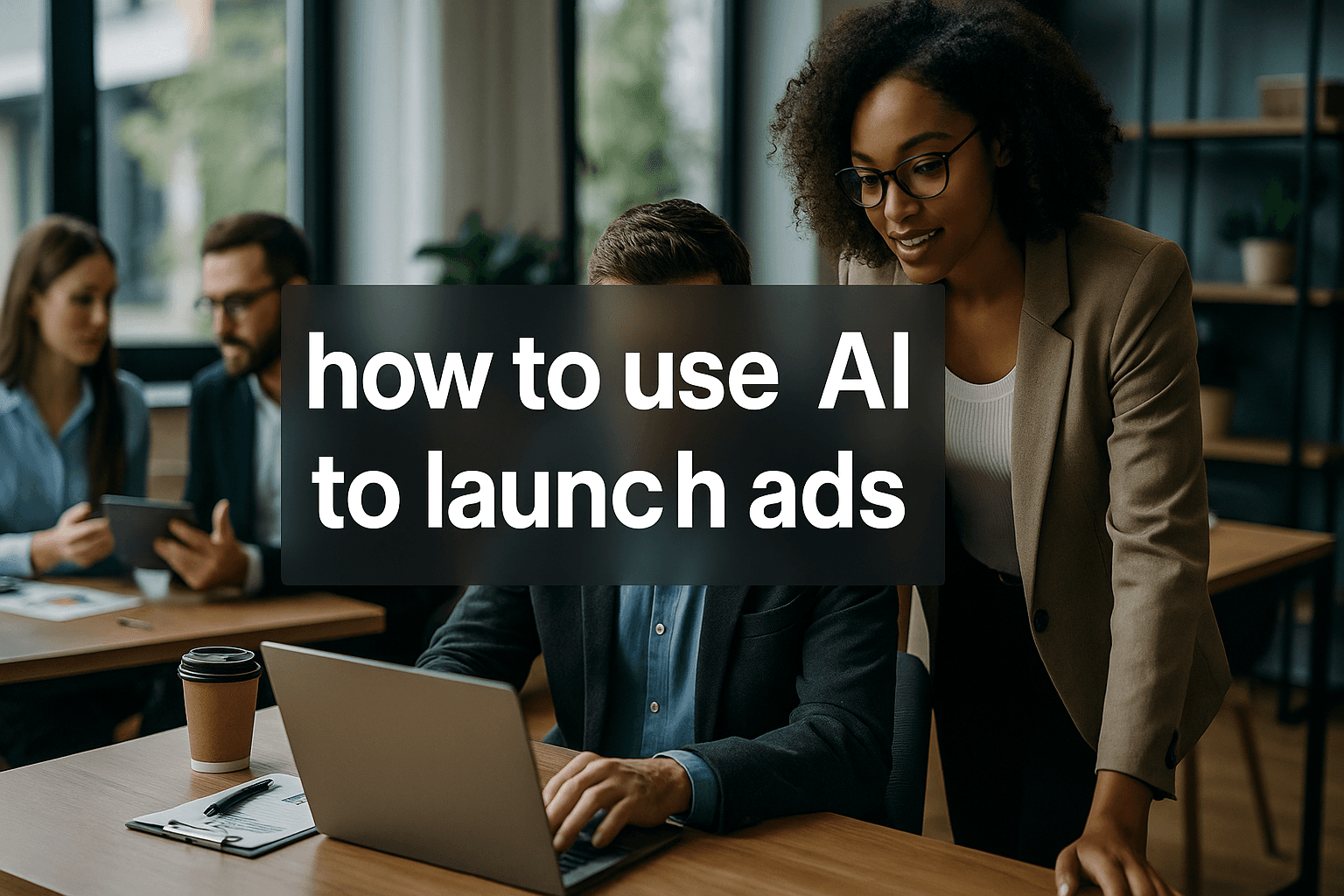
Here's everything you need to know about how to use AI to launch ads. By the end of this article, you'll understand the transformative potential of AI in advertising, the mechanics behind it, and how to implement it effectively. We'll explore the myriad of challenges traditional approaches present, and how AI can streamline your entire ad launching process. Let’s dive in!
Decoding AI-Powered Ad Launching: The Foundation of Efficiency
What Is AI-Powered Ad Launching?
AI-powered ad launching refers to the use of artificial intelligence to automate the process of creating, launching, and optimizing ads. This encompasses everything from data analysis to real-time performance monitoring. Picture this: instead of manually adjusting bids and settings across multiple platforms, an AI tool can analyze vast datasets and recommend the best course of action in seconds.
For instance, AI tools can generate ad copy tailored to specific audience segments based on their online behavior. Understanding AI’s role is crucial for leveraging its full potential in advertising, allowing marketers to focus on strategy rather than mundane tasks.
Unique Value Proposition of AI in Advertising
AI simplifies complex processes in ad launching. It drastically reduces the need for manual input, speeding up the launch timeline significantly. Think about how automated A/B testing allows marketers to identify the best-performing ad creatives in real-time, optimizing campaigns on the fly. This shift enables marketers to focus on crafting compelling strategies while AI handles the execution.
The Real Cost of Ignoring AI in Ad Launching
Efficiency Gains with AI
AI dramatically increases the speed of launching ad campaigns. Campaigns that previously took days can now be launched in just hours. For example, a business that adopted AI tools saw a reduction in the time from conception to launch by more than 50%. This speed advantage translates directly into a competitive edge, allowing companies to respond to market changes swiftly.
Cost Reduction Through AI
Another significant benefit of AI in advertising is cost reduction. AI minimizes wasted ad spend by optimizing targeting and placements. It continuously analyzes data to ensure ads reach the right audience at the right time. Businesses that have implemented AI have reported substantial decreases in their cost-per-click (CPC), leading to higher ROI on ad spend. The ability to optimize in real-time means that every dollar spent is more effectively utilized.
Under the Hood: How AI-Powered Ad Launching Works
Data Collection: The Fuel of AI
AI relies on data to inform its decisions, collecting information from various sources such as user behavior and engagement metrics. For example, social media platforms gather extensive user data to optimize ad targeting. This data is the lifeblood of AI, as quality data leads to effective performance. Without it, the insights drawn can be misleading or ineffective.
Ad Creation and Targeting
AI not only generates ad content tailored to target audiences but also analyzes audience preferences to create engaging copies or visuals. AI tools that automate ad design can produce multiple versions of an ad based on current trends, ensuring that the content resonates with viewers. This automation leads to higher engagement rates, as ads are more aligned with user interests.
Performance Monitoring in Real Time
One of the most powerful features of AI is its ability to continuously track ad performance and make adjustments in real-time. Algorithms analyze performance metrics and adapt strategies according to user interactions. For instance, an AI tool might optimize ad placements during a campaign based on real-time data, ensuring that resources are allocated where they will be most effective.
Unlocking Value with AI: Key Components of Effective Ad Launching
AI Algorithms: The Brains Behind the Operation
Various algorithms enhance targeting and performance. These algorithms can analyze user data to predict behaviors and preferences, allowing for more precise ad placements. For example, machine learning algorithms are often used in bidding strategies, determining the optimal amount to bid for ad placements based on predicted outcomes.
Audience Segmentation and Profiling
AI excels at creating detailed user profiles for targeted advertising. It segments audiences based on demographics, interests, and behaviors, enabling marketers to tailor their messaging accordingly. A retail brand, for instance, can use AI to target specific customer segments more effectively, leading to increased sales and customer loyalty.
Monitoring Key Performance Metrics
AI tracks essential metrics to evaluate ad effectiveness, such as click-through rates (CTR), conversion rates, and overall engagement. A marketer using AI can adjust campaigns based on these performance metrics, ensuring that each ad is optimized for maximum impact. Monitoring these metrics is critical for refining ad strategies and achieving better results.
Navigating AI Ad Launching Pitfalls: Mistakes to Avoid
Over-Reliance on AI
While AI is powerful, it should not replace human creativity. AI lacks the nuanced understanding of human emotions that many marketing campaigns require. There are companies that have failed to integrate human insights into their AI campaigns, leading to generic messaging that doesn’t resonate with audiences. A balance between AI and human input is crucial for success.
Ignoring Data Quality
AI is only as good as the data it receives. Poor-quality data can lead to ineffective ad targeting and wasted resources. Instances where businesses suffered due to bad data highlight the importance of prioritizing data quality to enhance AI performance. Regular data audits and clean-ups can help maintain the integrity of the data used in AI systems.
Mastering AI Ad Launching: Pro Strategies for Success
Continuous Monitoring and Adjustment
Regularly reviewing AI performance is essential to ensure optimal results. Ongoing analysis allows for timely adjustments to campaigns based on performance metrics. A marketer who continuously tests and refines AI-driven ads often sees sustained success as they adapt to changing market conditions.
Human-AI Collaboration
Combining human creativity with AI efficiency yields the best results. Human insights can guide AI strategies, improving outcomes and ensuring campaigns resonate with target audiences. Successful campaigns often highlight the teamwork between humans and AI, showcasing how collaboration can enhance ad effectiveness.
Your Action Plan for AI Ad Launching Success
Initial Steps to Implement AI
Begin by identifying the needs of your advertising strategy and selecting appropriate AI tools. Assess your current advertising processes to determine where AI can add value. A checklist for choosing AI tools based on business needs will help streamline the selection process.
Setting Realistic Timelines
Establishing a timeline for implementation helps manage expectations. Understanding the phases of adopting AI in ad launching is crucial. A phased approach, moving from pilot testing to full implementation, allows teams to build confidence in AI capabilities while ensuring a smooth transition.
Who Can Benefit from AI Ad Launching?
Marketing Professionals
AI tools assist marketers in streamlining their tasks. Automating repetitive tasks frees up time for strategy and creativity. For example, a marketing manager can use AI for campaign management, allowing for more focus on innovative solutions.
Small Business Owners
AI offers significant advantages for budget-conscious marketers. Lower costs and increased efficiency make AI accessible for small businesses. A small business that successfully uses AI to compete with larger brands demonstrates that effective advertising doesn’t require a large budget.
Google's latest AI model represents a significant advancement for advertisers looking to scale creative production. While specific performance benchmarks for advertising applications are still emerging, the model's multimodal capabilities offer practical advantages for ad creative generation at scale.
Understanding the Model's Creative Capabilities
The model processes both text and visual inputs simultaneously, which enables more sophisticated ad creative generation compared to text-only models. This multimodal approach allows marketers to input brand guidelines, existing creative assets, and campaign parameters to generate variations that maintain brand consistency while testing different messaging approaches.
For practical implementation, the model works best when given structured inputs. Rather than vague prompts, provide specific creative briefs that include target audience characteristics, key messaging points, brand voice guidelines, and visual style preferences. This structured approach helps generate more usable first drafts that require less manual refinement.
Setting Up Your Creative Production Workflow
To effectively use advanced AI models for ad creative at scale, establish a systematic workflow that balances automation with human oversight. Start by creating a library of approved brand assets, style guides, and high-performing ad examples. These serve as reference materials that inform the AI's output and ensure consistency across generated creatives.
Organize your creative requests by campaign objective and audience segment. For example, separate workflows for awareness campaigns versus conversion-focused ads will yield more relevant outputs. The model can adapt tone and messaging based on funnel stage when given clear context about campaign goals.
When generating ad copy variations, provide the model with your best-performing examples and ask it to create alternatives that maintain similar structural elements while varying the angle or emphasis. This approach typically produces more immediately usable content than starting from scratch with generic prompts.
Practical Prompt Strategies for Ad Creative
Effective prompting for ad creative requires specificity about format, length, and style. Instead of requesting "write an ad," structure your prompt with clear parameters: "Create three Facebook ad headlines under 40 characters that emphasize cost savings for small business owners, using a conversational but professional tone, incorporating the phrase 'launch faster' naturally."
For visual creative concepts, describe not just what you want to see, but the emotional response you're targeting and the specific action you want viewers to take. The model performs better when understanding the strategic intent behind the creative request rather than just executing tactical design instructions.
Break complex creative projects into smaller, sequential prompts. Generate headlines separately from body copy, then visual concepts separately from text elements. This modular approach makes it easier to mix and match components and typically produces higher-quality individual elements than trying to generate complete ads in a single prompt.
Scaling Creative Testing Through AI Generation
One of the most valuable applications involves generating multiple creative variations for testing purposes. Rather than manually creating dozens of ad variants, use the model to systematically test different elements while holding others constant. For instance, generate ten headline variations while keeping the same visual and body copy, then test these against each other to identify winning patterns.
Create a testing matrix that identifies which creative elements you want to vary—headlines, images, calls-to-action, value propositions, or social proof elements. Use the model to generate variations for each element, then combine them strategically to create a comprehensive test set. This systematic approach helps identify which specific elements drive performance rather than testing random combinations.
Document which prompt structures and parameters produce the best results for your specific use cases. Over time, you'll develop a library of effective prompts that can be reused and adapted, significantly accelerating creative production. This iterative refinement process helps the model better understand your brand's unique requirements and creative standards.
Maintaining Brand Consistency at Scale
When generating creative at volume, establishing clear brand guidelines within your prompts becomes critical. Create a standardized "brand context" section that gets included in every creative request, outlining tone, key messaging pillars, words to avoid, and style preferences. This consistent foundation helps ensure all generated content aligns with your brand identity.
Develop approval checkpoints in your workflow where human reviewers assess generated content against brand standards before it enters testing or production. While AI can generate content quickly, human judgment remains essential for catching subtle inconsistencies or ensuring creative aligns with current market conditions and brand positioning.
Consider creating role-based prompts where you instruct the model to act as your brand's creative director, copywriter, or strategist. This framing can help generate more appropriate outputs by establishing clear creative parameters and expectations within the prompt structure itself.
Optimizing Visual Concept Generation
For visual creative concepts, focus your prompts on describing the narrative and emotional elements rather than just physical attributes. Instead of "show a person using a laptop," try "convey the relief and efficiency of streamlining a previously frustrating process, with visual emphasis on the transformation from chaos to clarity." This approach tends to generate more conceptually strong ideas that can be refined into actual ad creatives.
Use the model to brainstorm visual metaphors and concepts for abstract benefits. When selling intangible services or complex products, the model can suggest creative ways to visualize benefits that might not be immediately obvious. Generate multiple concept directions, then have your design team execute the strongest ideas with actual brand assets.
Create systematic variations by requesting different compositions, color schemes, or focal points for the same core concept. This allows you to test visual approaches while maintaining conceptual consistency, helping identify which aesthetic choices resonate most with your target audience.
Integrating AI-Generated Creative Into Campaign Workflows
Establish clear handoff points between AI generation and human refinement. AI-generated content should be treated as high-quality first drafts that accelerate production rather than finished assets ready for immediate deployment. Build review time into your timelines so creative teams can refine, polish, and ensure all generated content meets quality standards.
Use the model for rapid ideation during campaign planning phases. Generate multiple creative directions quickly to evaluate strategic options before committing significant resources to production. This exploratory use of AI helps teams consider more possibilities than traditional brainstorming allows, often uncovering unexpected angles worth pursuing.
Create feedback loops where performance data from deployed ads informs future creative generation. When certain AI-generated approaches perform well, analyze what made them effective and incorporate those insights into your prompting strategy. This continuous learning process helps improve the relevance and effectiveness of generated creative over time.
Addressing Common Creative Generation Challenges
When generated content feels generic or off-brand, the issue typically stems from insufficient context in your prompts rather than model limitations. Provide more specific examples of your brand voice, include actual excerpts from high-performing content, and be explicit about differentiating factors that separate your brand from competitors. The more context you provide, the more distinctive the output becomes.
If visual concepts seem disconnected from your brand aesthetic, create a visual reference library that describes your brand's visual language in detail. Include notes about preferred color palettes, imagery styles, composition approaches, and visual elements to avoid. Reference specific ads or brand examples when generating new concepts to ground the model's output in your established aesthetic.
For campaigns requiring cultural sensitivity or market-specific knowledge, pair AI generation with human review from people familiar with the target market. AI models can help generate creative concepts quickly, but human judgment remains essential for ensuring appropriateness, cultural relevance, and strategic fit within specific market contexts.
Your Roadmap Forward: The Future of AI in Advertising
Recap of AI’s Impact on Ad Launching
AI is revolutionizing the advertising landscape by enhancing efficiency and effectiveness. The speed and cost benefits discussed throughout this article underscore the importance of integrating AI into your advertising strategies. Successful case studies demonstrate the potential of AI to transform ad launching.
If you’re looking for a better way to enhance your advertising strategies, learn more about our services and how our AI Ad Campaign Launch Platform can help you launch and scale ad campaigns 10× faster.